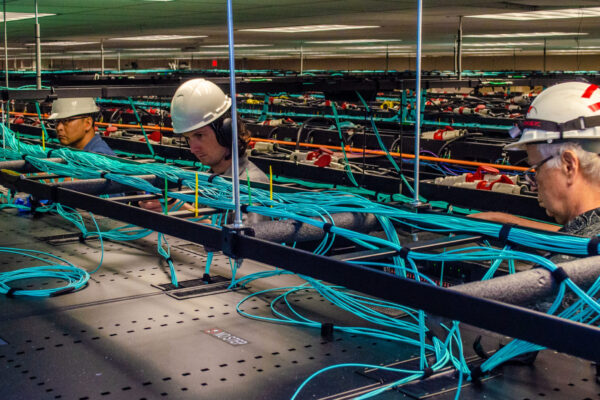
A production dashboard presents selected information about a process. An experienced operator may also notice a change in sound, handling resistance or the behaviour of material before it appears in a formal indicator. These observations can be valuable, provided they can be communicated and investigated.
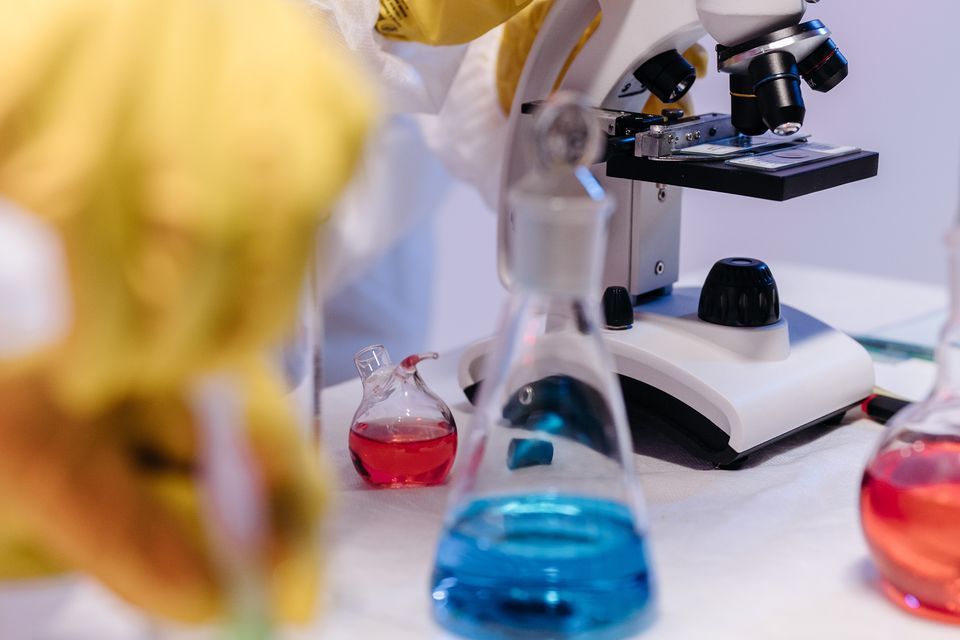
Capturing that knowledge requires more than asking workers to write down everything they know. A discussion around a specific event can reveal which cues mattered and what action followed. Photographs, examples and practical demonstrations may explain a judgement more clearly than a general instruction to watch for problems.
Training can connect those observations with the measured process. New operators need to understand both the normal sequence and the conditions that require escalation. A clear route for reporting an unusual sign helps prevent useful information from remaining an informal conversation between a few people.
Digital systems and practical knowledge can support each other. Data may help test an operator's explanation, while the operator may identify a variable that the system does not yet record. The aim is not to choose one form of knowledge over the other. It is to preserve the relationship between experience, evidence and the decisions that keep production consistent.








Collaboratively administrate empowered markets via plug-and-play networks. Dynamically procrastinate B2C users after installed base benefits. Dramatically visualize customer directed convergence without
Collaboratively administrate empowered markets via plug-and-play networks. Dynamically procrastinate B2C users after installed base benefits. Dramatically visualize customer directed convergence without revolutionary ROI.

Global Insight Nexus (GIN) is a forward-thinking news platform dedicated to connecting the world with insightful perspectives. Through comprehensive reporting, in-depth analysis, and global coverage, GIN empowers readers with knowledge to navigate the complexities of our ever-changing world.