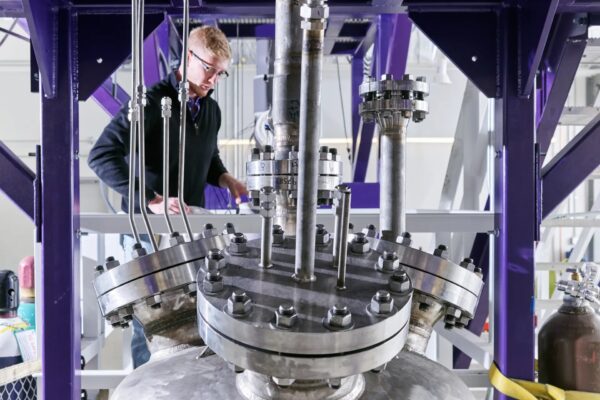
A maintenance ticket can show that a machine returned to service without explaining why it stopped. If the record contains only a replaced component and a completion time, a recurring problem may appear as a sequence of unrelated repairs. Better documentation allows the events to be examined together.
A useful account separates the observed symptom from the suspected cause. Noise, temperature, vibration and operator reports can describe what prompted the intervention. Inspection findings and the action taken then show how the team responded. Where the cause remains uncertain, that uncertainty should remain in the record.
The operating context helps interpret repetition. A fault that appears during a particular product run or after a changeover may require a different investigation from one occurring at random. Connecting maintenance information with production history can expose those relationships without assuming that correlation alone establishes a cause.
Closing the ticket is still important, but so is checking whether the intervention resolved the problem. Follow-up observations give the next technician a more useful starting point. Over time, maintenance records become an account of equipment behaviour, supporting decisions about procedures, training and further investigation rather than merely counting completed jobs.












Collaboratively administrate empowered markets via plug-and-play networks. Dynamically procrastinate B2C users after installed base benefits. Dramatically visualize customer directed convergence without
Collaboratively administrate empowered markets via plug-and-play networks. Dynamically procrastinate B2C users after installed base benefits. Dramatically visualize customer directed convergence without revolutionary ROI.

Global Insight Nexus (GIN) is a forward-thinking news platform dedicated to connecting the world with insightful perspectives. Through comprehensive reporting, in-depth analysis, and global coverage, GIN empowers readers with knowledge to navigate the complexities of our ever-changing world.