An older film can reach a new audience through restoration, but the process involves decisions about what belongs to the work and what resulted from damage or later handling. Removing every visible or audible irregularity is not necessarily the same as preserving the film's character.
The available material sets the starting point. Different copies may preserve different details, and a sound element may have a separate history from the picture. Examining those materials helps a restoration team decide which sources can support the work and where uncertainty remains.
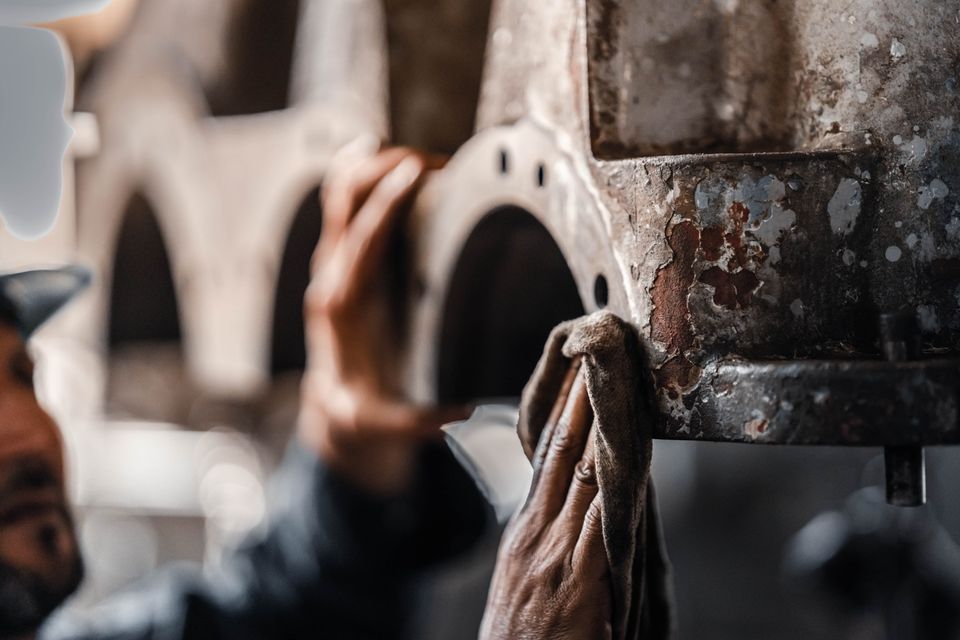
Digital tools can address scratches, instability or distracting noise, yet their use requires judgement. An adjustment that removes damage can also affect texture or the quality of a voice. Comparing results with the source material helps keep those changes deliberate rather than automatic.
Restoration is most understandable when the work is documented. The source elements, major interventions and unresolved limitations form part of the account of the new version. For viewers, the result can renew access to a film without pretending that its material history never existed. Preservation involves allowing the work to be encountered again while respecting the evidence of how it originally looked and sounded.













Collaboratively administrate empowered markets via plug-and-play networks. Dynamically procrastinate B2C users after installed base benefits. Dramatically visualize customer directed convergence without
Collaboratively administrate empowered markets via plug-and-play networks. Dynamically procrastinate B2C users after installed base benefits. Dramatically visualize customer directed convergence without revolutionary ROI.


Global Insight Nexus (GIN) is a forward-thinking news platform dedicated to connecting the world with insightful perspectives. Through comprehensive reporting, in-depth analysis, and global coverage, GIN empowers readers with knowledge to navigate the complexities of our ever-changing world.