
Two shots can contain the same information and still produce different effects depending on how they are joined. The length of a pause, the point of a cut and the image that follows a reaction influence what the viewer expects. Editing gives a scene its sequence of attention.
A conversation offers a simple example. Remaining on the listener can make the audience examine an unspoken response, while cutting to the speaker may emphasise the words. Neither choice is automatically better. Its value depends on what the scene is asking the viewer to notice at that moment.
Continuity supports comprehension, but it is not the only consideration. A perfectly matched action may be less important than preserving the emotional direction of a performance. Editors balance spatial clarity, rhythm and the meaning created by neighbouring images. Sound can also carry a connection across a change of view.
The work is tested through watching. An edit that appears logical as a sequence of individual decisions may feel hurried or repetitive when played in full. Revising the scene involves judging how information arrives over time. The cut is a small technical event, but its effect belongs to the larger movement of the story.


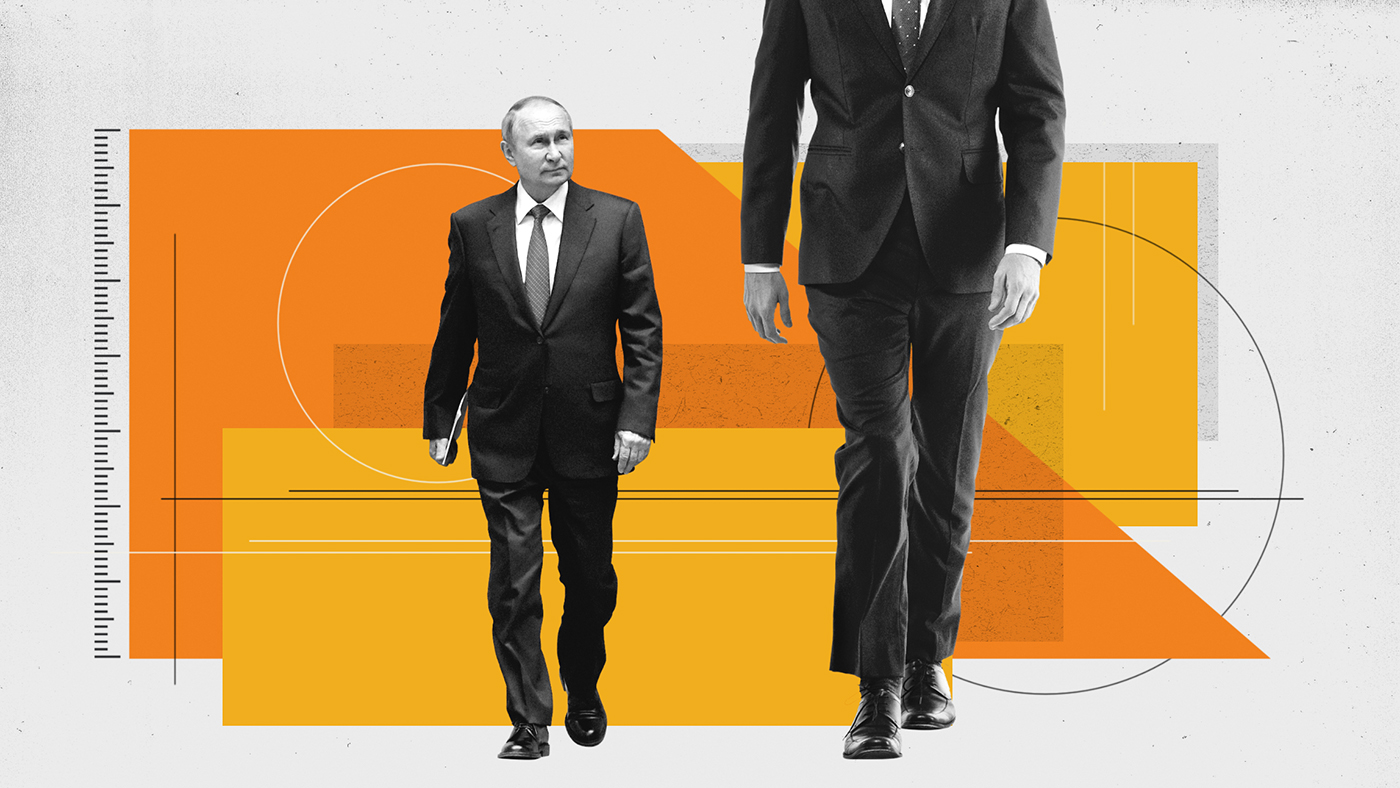











Collaboratively administrate empowered markets via plug-and-play networks. Dynamically procrastinate B2C users after installed base benefits. Dramatically visualize customer directed convergence without
Collaboratively administrate empowered markets via plug-and-play networks. Dynamically procrastinate B2C users after installed base benefits. Dramatically visualize customer directed convergence without revolutionary ROI.


Global Insight Nexus (GIN) is a forward-thinking news platform dedicated to connecting the world with insightful perspectives. Through comprehensive reporting, in-depth analysis, and global coverage, GIN empowers readers with knowledge to navigate the complexities of our ever-changing world.