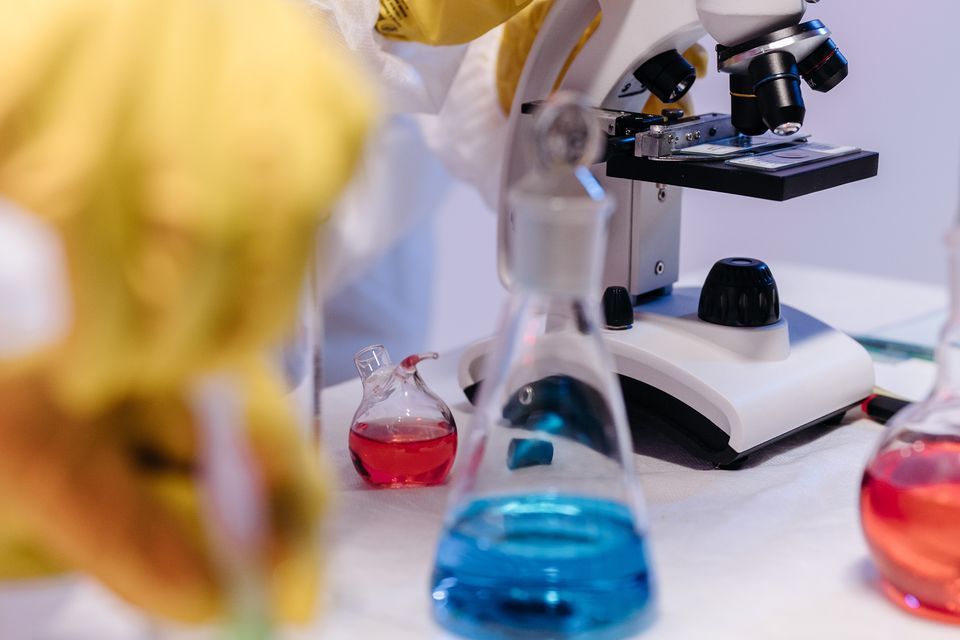
An instrument's advertised range and resolution offer only a starting point for understanding its role in a laboratory. Installation, operating conditions and maintenance can all influence the measurements it produces. Reliable results depend on the instrument as it is actually used.
Before routine work begins, a laboratory needs to establish that the equipment and procedure are suitable for the intended task. A method developed under one set of conditions may need examination when transferred to a different instrument or sample type. The operator's preparation and the supporting software are part of that system.
Performance can change over time. Routine checks may help reveal drift or a developing problem before it affects a large body of work. Maintenance records and software version information provide context when results are compared across months or investigated after an unexpected change.
The specification sheet remains useful, but it cannot describe every condition of use. The practical question is whether the laboratory can demonstrate consistent, appropriate performance for its own measurements. Treating an instrument as an ongoing responsibility, rather than a completed purchase, connects equipment management with the quality and interpretability of the research it supports.











Collaboratively administrate empowered markets via plug-and-play networks. Dynamically procrastinate B2C users after installed base benefits. Dramatically visualize customer directed convergence without
Collaboratively administrate empowered markets via plug-and-play networks. Dynamically procrastinate B2C users after installed base benefits. Dramatically visualize customer directed convergence without revolutionary ROI.

Global Insight Nexus (GIN) is a forward-thinking news platform dedicated to connecting the world with insightful perspectives. Through comprehensive reporting, in-depth analysis, and global coverage, GIN empowers readers with knowledge to navigate the complexities of our ever-changing world.