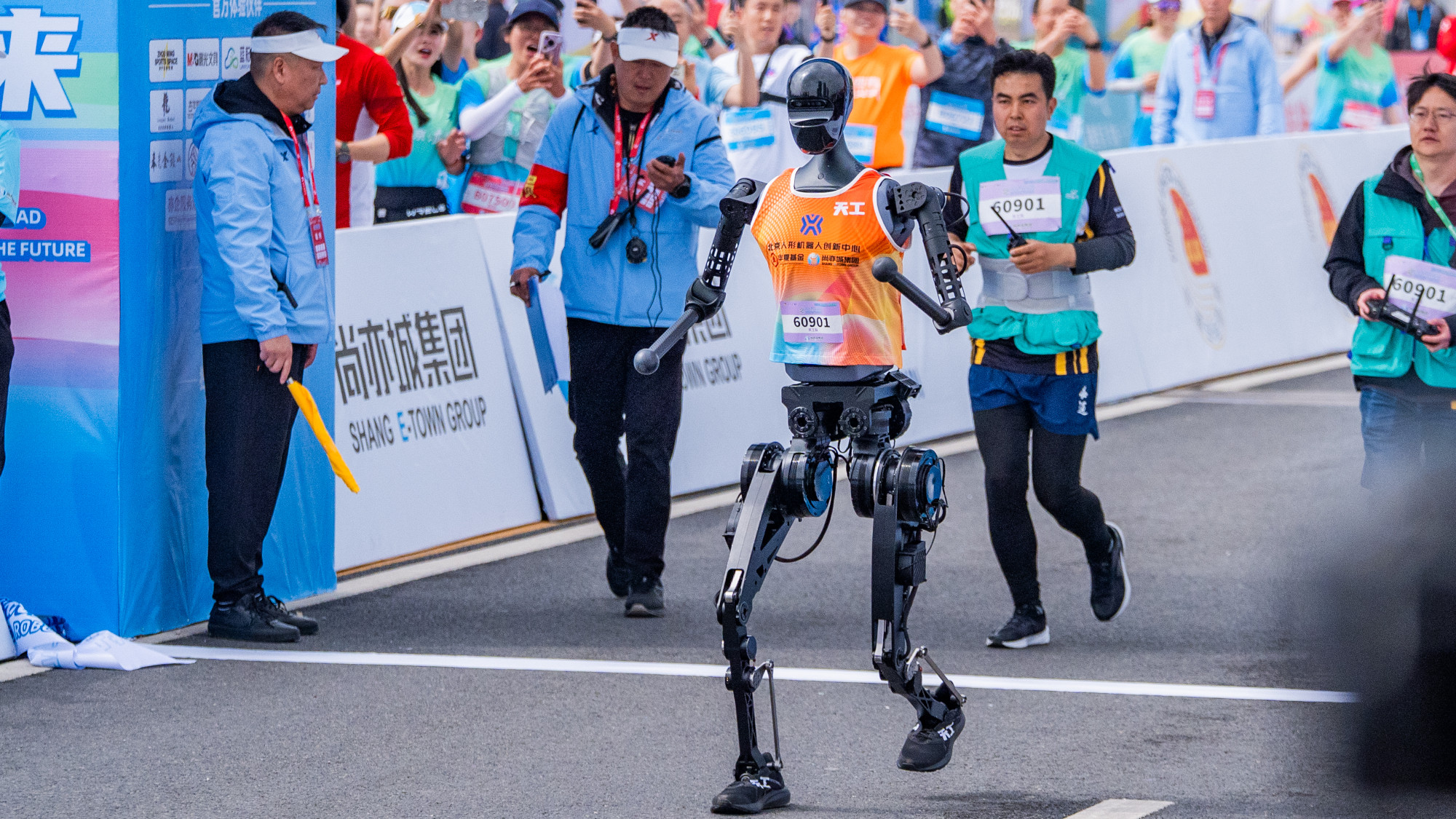
A robot can move a sample precisely while the experiment remains vulnerable to a labelling error. Laboratory automation changes how work is performed, but it does not remove the need to know what each sample is, where it came from and which procedures it has undergone.
An identification system must follow the sample through transitions. Material may be divided into several portions, transferred into a new container or combined with another substance. Those changes create relationships that a single label cannot fully describe unless the supporting records remain consistent.
The software and physical workflow need to agree. A scan should correspond to the container actually being handled, and exceptions should have a defined process. If an operator corrects a mistake, the record should preserve what changed rather than silently replacing the history. These details become especially valuable when a result is unexpected.
Automation is most useful when it makes reliable work easier to repeat. That includes handling interruptions, checking transfers and allowing staff to investigate anomalies. The speed of an instrument is only one part of a laboratory's performance. Confidence in the result also depends on a traceable account of the material and decisions that produced it.











Collaboratively administrate empowered markets via plug-and-play networks. Dynamically procrastinate B2C users after installed base benefits. Dramatically visualize customer directed convergence without
Collaboratively administrate empowered markets via plug-and-play networks. Dynamically procrastinate B2C users after installed base benefits. Dramatically visualize customer directed convergence without revolutionary ROI.


Global Insight Nexus (GIN) is a forward-thinking news platform dedicated to connecting the world with insightful perspectives. Through comprehensive reporting, in-depth analysis, and global coverage, GIN empowers readers with knowledge to navigate the complexities of our ever-changing world.