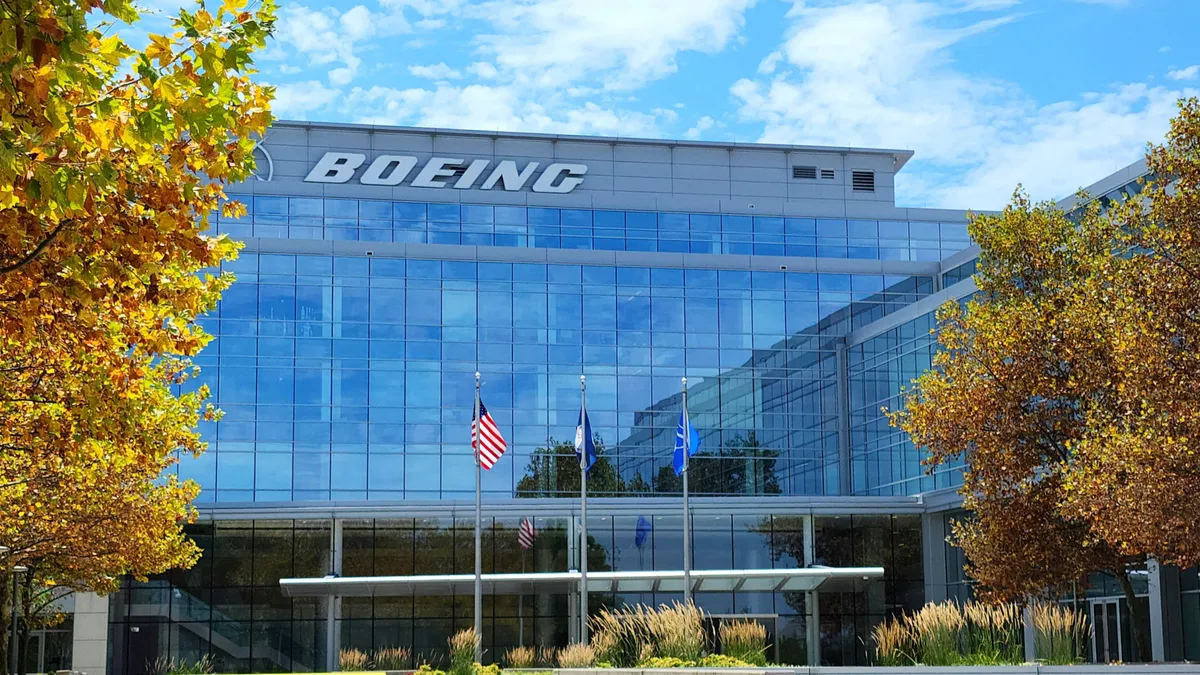
An online exhibition can make a collection visible to people who may never enter the building. Yet a high-resolution image is only one part of that access. Without a reliable title, date, material description and account of what is known about the object, the image can be difficult to interpret or even find again.
Cataloguing therefore sits at the centre of digital museum work. Different names may have been used for the same place, maker or technique. Preserving those variations while making their relationships clear helps visitors search a collection without pretending that every historical question has a settled answer.
Uncertainty should remain visible. An approximate date or a disputed attribution is useful information, not an embarrassment to remove from the record. Digital interfaces can distinguish established details from working interpretations and explain why a description has changed as research develops.
The visitor experience also depends on ordinary design choices: readable text, useful descriptions and a structure that works on a small screen. An elaborate virtual room may be less helpful than a clear record with connections to related objects. Digital access becomes meaningful when it helps people understand a collection, rather than merely reproducing the appearance of walking past a display case.








Collaboratively administrate empowered markets via plug-and-play networks. Dynamically procrastinate B2C users after installed base benefits. Dramatically visualize customer directed convergence without
Collaboratively administrate empowered markets via plug-and-play networks. Dynamically procrastinate B2C users after installed base benefits. Dramatically visualize customer directed convergence without revolutionary ROI.


Global Insight Nexus (GIN) is a forward-thinking news platform dedicated to connecting the world with insightful perspectives. Through comprehensive reporting, in-depth analysis, and global coverage, GIN empowers readers with knowledge to navigate the complexities of our ever-changing world.